Follow Me On Social Media!

Spaghetti Squash Bliss: The Best Comfort Food Makeover

Introduction to Spaghetti Squash
Imagine a vegetable that could transform a comforting, hearty dish into a healthy delight, all while maintaining a delectable flavor. This is exactly what spaghetti squash brings to your kitchen. Known for its unique texture and ability to soak up flavors, this versatile squash is a game changer in meal prep. Whether you’re seeking a gluten-free alternative to pasta or simply looking to incorporate more vegetables into your diet, spaghetti squash fits the bill perfectly.
The Versatility of Spaghetti Squash
When it comes to the culinary scene, spaghetti squash stands out as one of the most adaptable ingredients around. It’s not just a low-carb substitute for traditional pasta; it can be paired with a variety of sauces, proteins, and toppings. From classic marinara to creamy Alfredo, the options are virtually endless. Have you ever considered using it in a stir-fry? Or perhaps as a base for a savory breakfast bowl?
-
Simple Preparation: The method for cooking spaghetti squash couldn’t be easier. You can roast, microwave, or even pressure cook it! Once cooked, you can use a fork to scrape out the spaghetti-like strands, making for an impressive presentation.
-
Seasonal Appeal: Spaghetti squash is typically harvested in late summer through early fall, but it can be found year-round, making it a great choice no matter the season.
-
Nutritional Benefits: Along with being low in calories, this squash is high in vitamins and minerals such as Vitamin C, potassium, and antioxidants. It offers a satisfying bite without the heaviness of traditional pasta, making it a great choice for anyone looking to lighten their meals.
Incorporating spaghetti squash into your weekly meal plan can be both fun and rewarding. You can explore new flavors, get creative in the kitchen, and make dishes that are healthy, fulfilling, and delicious. So, are you ready to discover your new favorite ingredient? The adventure awaits!
Key Ingredients for Spaghetti Squash
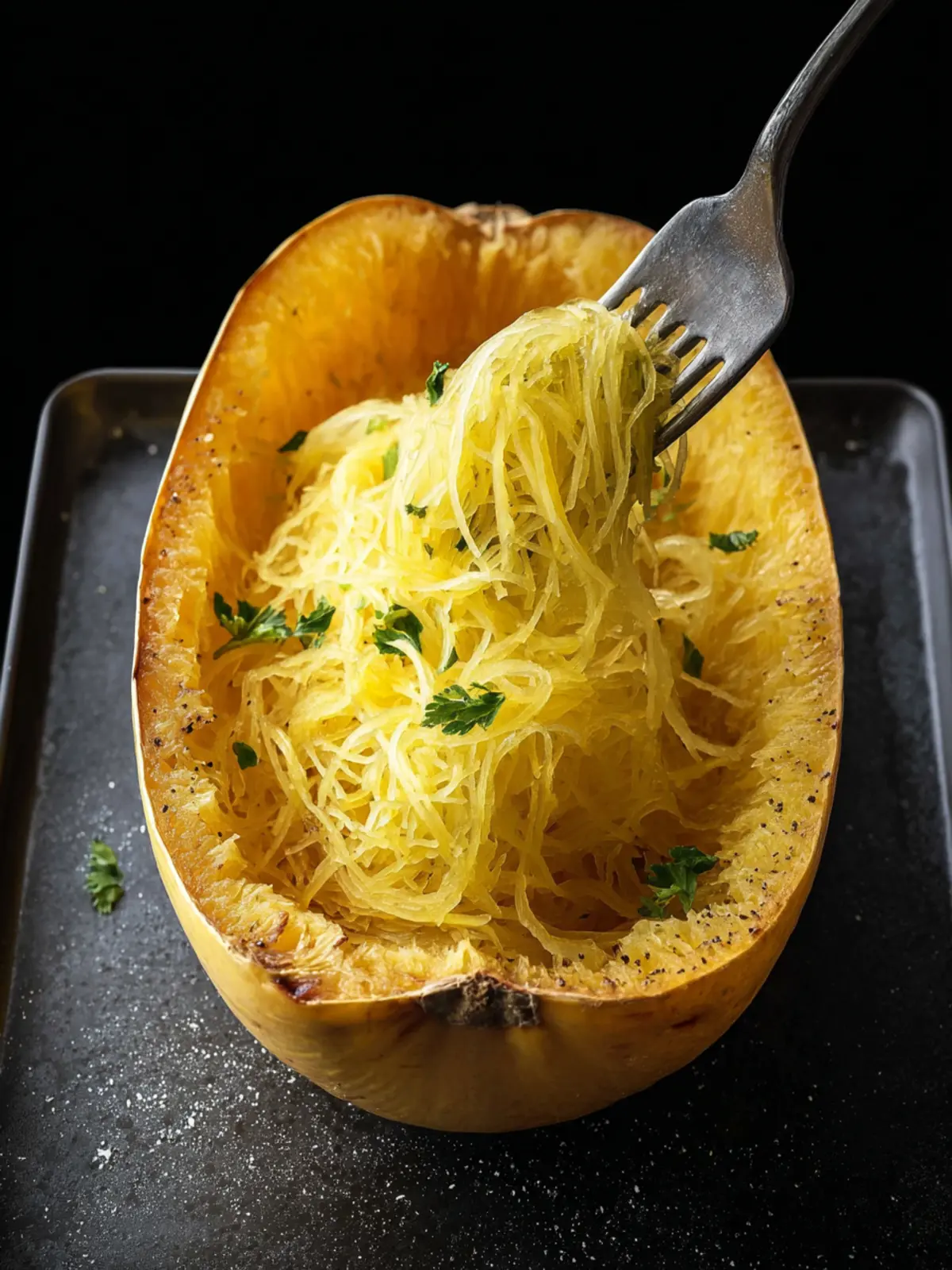
Spaghetti squash is a delightful and versatile ingredient that transforms an ordinary dish into a culinary adventure. Imagine slicing open a perfectly roasted spaghetti squash to reveal its golden strands, ready to be paired with your favorite sauces. Here’s what you’ll need to bring this dish to life.
-
Spaghetti Squash: Naturally, the star of the show is the spaghetti squash itself. When selecting, look for a squash that feels heavy for its size and has a smooth, firm skin. Avoid any with soft spots or blemishes, as they might not have the best texture or taste.
-
Olive Oil: A drizzle of extra virgin olive oil not only adds flavor but helps in achieving that beautifully roasted look and taste. It’s perfect for enhancing the natural sweetness of the squash.
-
Salt and Pepper: A simple seasoning duo goes a long way. Using Kosher salt and freshly cracked black pepper will elevate the flavor profile of the squash, allowing its unique taste to shine through.
-
Herbs and Spices: I love experimenting with fresh herbs like parsley or basil, or even a sprinkle of Italian seasoning to add that extra punch. These aromatic additions can turn your spaghetti squash into a delightful centerpiece.
Whether you’re roasting, sautéing, or using it as a base for a rich sauce, each ingredient plays a pivotal role in making your spaghetti squash experience unforgettable. Enjoy!
Why You’ll Love This Spaghetti Squash Recipe
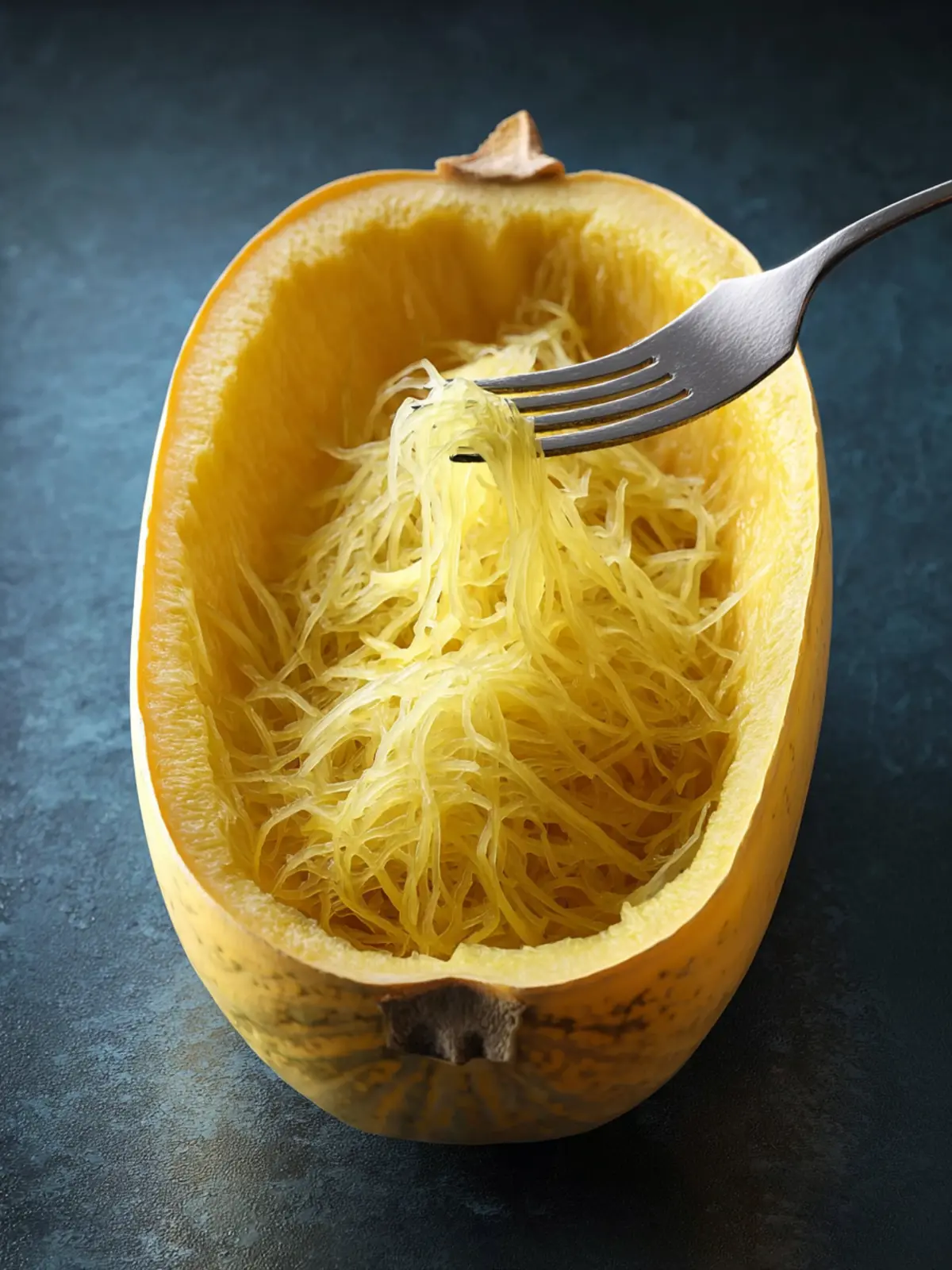
The magic of spaghetti squash lies in its unique ability to transform into a delightful, noodle-like dish with just a bit of preparation. Imagine cutting open a squash and witnessing its yellow strands unraveling like pasta—it’s almost a magical cooking moment that never fails to impress.
One of the best parts about this spaghetti squash recipe is how it marries health and flavor effortlessly. Not only is spaghetti squash low in calories and high in nutrients, but it also serves as a fantastic canvas for a variety of sauces and toppings, making it incredibly versatile. Whether you’re a busy professional looking for a quick weeknight meal or planning a cozy dinner with friends, this recipe gives you that satisfying comfort without the guilt.
Moreover, cooking with spaghetti squash allows you to get creative. Pair it with marinara, pesto, or even a creamy alfredo for a twist on traditional pasta dishes. Plus, it’s gluten-free, making it a go-to option for those with dietary restrictions.
Once you try this recipe, you’ll find yourself reaching for spaghetti squash again and again, reveling in its delicious simplicity and endless possibilities. It’s not just a meal; it’s a culinary adventure waiting to be explored!
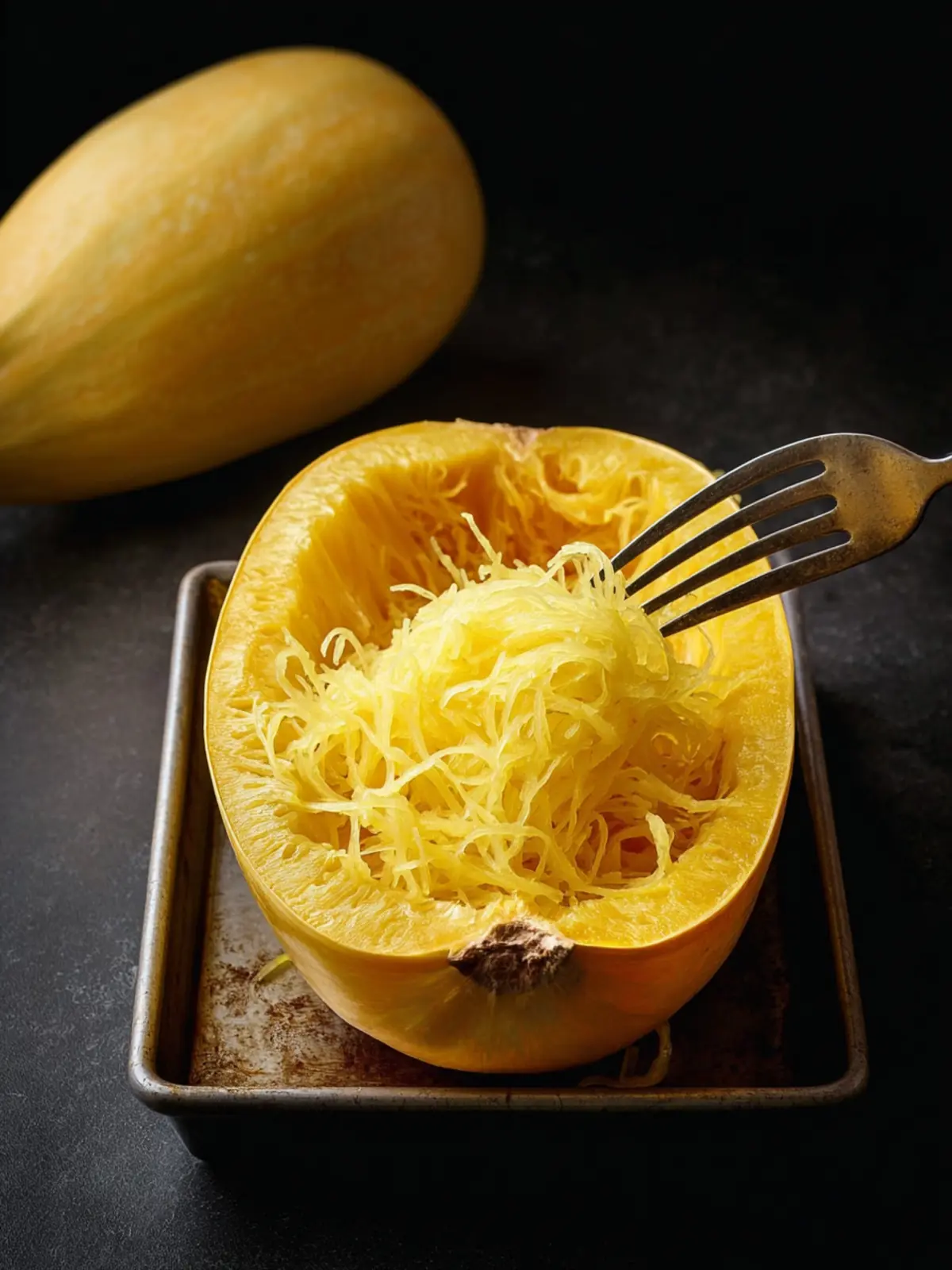
Variations of Spaghetti Squash
Preparing spaghetti squash can truly be an adventure in the kitchen. This versatile vegetable offers a delightful canvas for a range of cooking techniques.
Different ways to prepare spaghetti squash
Whether you prefer a hands-off approach or love to experiment with flavors, there’s a method for everyone:
- Roasting: Cut the squash in half, scoop out the seeds, and roast cut-side down in the oven. This caramelizes its sugars, creating deeper flavor and perfect noodle-like strands.
- Boiling: If you’re short on time, you can boil the whole squash until tender. Just be cautious as this method can sometimes leave the squash a bit mushy if overdone.
- Microwaving: Perfect for weeknight dinners! Simply poke holes in the flesh and microwave for a quicker option. You’ll taste the same delicious results in a fraction of the time.
Flavor combinations to try
Once your spaghetti squash is ready, the fun begins with flavor pairings. Here are a few combos I absolutely love:
- Mediterranean Twist: Toss it with olive oil, cherry tomatoes, feta cheese, and fresh basil for a refreshing meal.
- Asian-inspired: Mix with sautéed garlic, soy sauce, and a hint of sesame oil, topped with green onions for a unique take.
- Creamy Comfort: A savory sauce made from cream, garlic, and Parmesan can create an indulgent experience that’s surprisingly healthy.
These variations showcase the flexibility of spaghetti squash, making it an exciting option for both everyday cooking and special occasions. What’s your favorite way to enjoy this nutritious veggie?
Cooking Tips and Notes for Spaghetti Squash
When it comes to perfecting your spaghetti squash, a little guidance goes a long way. With its unique texture and mild flavor, this versatile veggie can be the star of your dinner table. Here are some handy tips to help you master its preparation and cooking.
How to cut and prepare squash safely
Cutting a spaghetti squash can seem daunting due to its hard exterior. Here’s how to tackle it safely:
- Use a sharp knife: A sharp chef’s knife will give you the control needed to slice through the tough skin.
- Stabilize your workstation: Place a damp towel under your cutting board to prevent slipping. This helps you maintain balance as you cut.
- Slice it lengthwise: Carefully cut the squash from stem to tail. This method exposes the seeds easily for removal.
- Scoop out the seeds: Use a spoon to dig out the seeds and stringy pulp. This prep step is essential for cooking your strands to perfection.
Ideal cooking methods for perfect strands
Getting those lovely strands of spaghetti squash requires the right cooking method:
- Roasting: Cut the squash in half, drizzle with olive oil, and season to taste. Roast at 400°F for about 30-40 minutes until tender. The roasting brings out a sweet flavor while allowing the strands to form beautifully.
- Microwaving: If you’re short on time, 10-12 minutes in the microwave can yield a quick and convenient side. Just prick it with a fork before microwaving to let steam escape!
With these tips, you’ll find that cooking spaghetti squash can be both enjoyable and rewarding. Happy cooking!
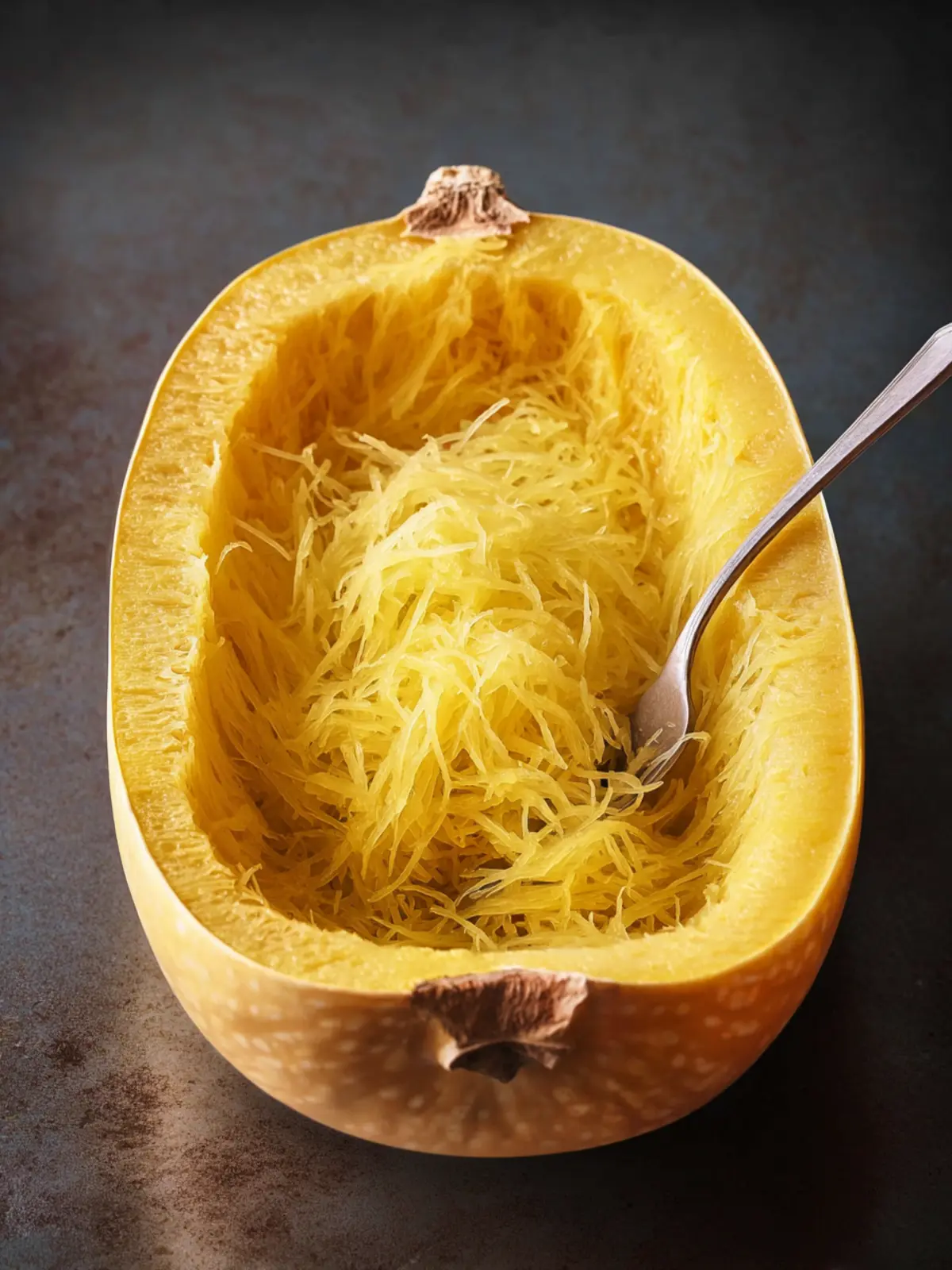
Serving Suggestions for Spaghetti Squash
The journey of enjoying spaghetti squash truly shines when you consider how to pair it with complementary flavors and textures. Its mild, nutty taste works remarkably well with a variety of sauces and proteins that can turn this humble vegetable into a star dish.
Ideal Pairings with Sauces and Proteins
When choosing sauces, think creamy Alfredo or a zesty marinara. A simple olive oil and garlic drizzle works wonders too. For a protein boost, consider sautéed shrimp, grilled chicken, or even roasted chickpeas for a hearty vegetarian option. These pairings not only enhance the flavor of the spaghetti squash but also create a balanced meal.
Creative Toppings to Elevate Your Dish
To take your spaghetti squash to the next level, think about adding fresh herbs, crushed red pepper for heat, or toasted pine nuts for crunch. A sprinkle of Parmesan cheese or a dollop of pesto can add a delightful richness. Don’t shy away from experimenting with toppings like sautéed spinach or sun-dried tomatoes to customize your dish to suit your taste buds.
These serving suggestions will transform your spaghetti squash into a vibrant centerpiece that will impress both you and your guests!
Time Breakdown for Cooking Spaghetti Squash
Cooking spaghetti squash can seem intimidating at first, but understanding the time involved can make the process much smoother. Trust me, once you get the rhythm down, you’ll be savoring that delicious vegetable in no time. Here’s how to structure your cooking journey.
Preparation Time
The prep work for spaghetti squash takes about 10–15 minutes. This includes slicing the squash in half, scooping out the seeds, and drizzling some olive oil and seasoning. Feel free to get creative here!
Cooking Time
Depending on your method (roasting, steaming, or microwaving), the cooking time can vary:
- Roasting: 40–45 minutes.
- Steaming: Approximately 25 minutes.
- Microwaving: Roughly 10–15 minutes.
Total Time
When you add everything up, including prep and cook time, you’re looking at about 50 to 60 minutes for the roasting method or as little as 25 minutes if you opt for the microwave. Whichever route you choose, you’re just moments away from enjoying a warm, flavorful dish!
Nutritional Facts for Spaghetti Squash
Calories
Exploring the world of spaghetti squash not only invites delicious dishes into your kitchen but also introduces a guilt-free option for health-conscious eaters. One cup of cooked spaghetti squash clocks in at just about 42 calories, making it a fantastic low-calorie alternative to traditional pasta.
Sugars
When it comes to sugar content, spaghetti squash is naturally low. This veggie contains only about 6 grams of sugar per cup, which can satisfy your cravings without spiking your blood sugar levels. This subtle sweetness comes from the squash itself, enhancing its appeal without excess calories.
Fiber Content
Fiber is essential for digestion and overall health, and spaghetti squash doesn’t disappoint. Each serving typically boasts around 2 grams of dietary fiber. Including this delightful squash in your meals can help you feel full longer and support your gut health, making it a smart choice for any meal!
FAQ about Spaghetti Squash
Spaghetti squash is not only a unique ingredient but a versatile canvas for all sorts of delicious toppings. When you decide to include this nutrient-dense vegetable in your meals, you might have a few questions. Let’s dive into some common queries to help you make the most of your spaghetti squash!
How do I know when spaghetti squash is cooked?
To ensure your spaghetti squash is perfectly cooked, you can use a fork to test it for tenderness. It should glide easily through the flesh, allowing you to scrape out those coveted spaghetti-like strands. If you see that the flesh is still hard or resistant, it’s not ready yet! For optimal cooking, aim for a roasting time of about 30-45 minutes at 400°F (200°C). Remember, the squash will continue to cook slightly after you take it out, so keeping it just a touch firm is ideal.
Can I store leftovers?
Absolutely! Leftover spaghetti squash is great for meal prep. After letting it cool, scoop the strands into an airtight container and store them in the refrigerator for up to 5 days. You can enjoy them cold in salads or reheat them for a comforting warm dish.
What are the best cooking methods for spaghetti squash?
Spaghetti squash lends itself well to various cooking methods for differing flavors and textures. Here are some popular techniques:
- Roasting: Cut it in half, scoop out seeds, drizzle with olive oil, and roast until tender. This method intensifies the natural sweetness.
- Microwaving: Cut it in half and place it cut-side down in a dish with a little water. This is a quick method if you’re short on time.
- Boiling: Though less common, you can boil the halved squash in water for a quicker cooking time if you prefer that route.
Experiment and find which cooking method brings out the best in your dishes!
Conclusion on Spaghetti Squash
Embracing spaghetti squash in your culinary adventures opens up a world of delicious possibilities. This versatile vegetable serves as a fantastic, gluten-free substitute for traditional pasta, making it an excellent choice for any health-conscious meal. Not only does it boast a mild flavor that absorbs your favorite sauces beautifully, but it also packs a nutritional punch with plenty of vitamins and fiber. After exploring various recipes, you’ll find that the joy of spaghetti squash lies in its adaptability—whether you’re tossing it with marinara, pesto, or sautéed veggies, it’s sure to delight. So grab a squash and get cooking!
Print
Roasted Spaghetti Squash
- Total Time: 1 hour 15 minutes
- Yield: 4 servings 1x
- Diet: Vegetarian
Description
This roasted spaghetti squash is a delicious and healthy alternative to pasta. It’s easy to prepare and can be used in a variety of dishes.
Ingredients
Scale
- 1 spaghetti squash (halved and seeded)
- 2 tablespoons olive oil
- to taste salt
- to taste pepper
Instructions
- Preheat oven to 400 degrees F and line a large baking sheet with parchment paper.
- Scrub the squash clean and dry thoroughly. Cut the squash in half using a sharp, stable and reliable knife. You may either cut the squash in half lengthwise (stem to end) or through the middle horizontally. Scoop out the seeds.
- Drizzle the squash with olive oil and use a pastry brush (or your hands) to brush over the entire surface of the squash. Sprinkle with salt and pepper and place cut-side down on the lined baking sheet.
- Place squash in the oven and bake for 45 minutes to 1 hour or until squash is tender when pierced with a fork.
- When cool enough to handle, gently scrape out the squash with a fork to remove the flesh in long strands.
- Preheat oven to 400 degrees F and line a large baking sheet with parchment paper again if using multiple methods.
- Use a knife to cut small holes (approximately 15-20) all over the outside of the squash for roasting.
- Transfer to the prepared baking sheet and roast for approximately 45 minutes to one hour, depending on the size of your squash, or until tender. Rotate squash once throughout cooking.
- Remove from the oven, and allow to cool. Cut the squash in half, scoop out the seeds, and use a fork to separate the squash into strands.
- For microwave method, transfer one or both squash halves to a microwave-safe dish cut-side down. Fill the dish with water so that the squash is partially submerged (approximately 1-inch should do).
- Microwave on high for 5 minutes. Poke the squash to check doneness; the knife should go right through. If needed, microwave on high for an additional 2-5 minutes.
- Remove from the microwave and allow the squash to cool before using a fork to separate the strands.
- For Instant Pot, place the steamer basket in the bottom and add one cup of water. Place the squash directly on top and secure the pot. Use manual setting for 20 minutes, high pressure. Quick release the pressure when done.
- Allow squash to cool before cutting in half, scooping out seeds, and using a fork to separate strands.
- For slow cooker method, transfer the squash to the slow cooker, cover, and cook on high for 4 hours or low for 6-8 hours, checking for doneness periodically.
- For boiling method, fill a large pot 2/3 of the way full with water and bring to a boil. Carefully add the whole spaghetti squash to the pot, reduce to medium-low, cover, and cook for approximately 30 minutes, rotating occasionally.
- When cooked, drain in a colander and allow to rest for at least 10-15 minutes before handling. Cut in half, scoop out seeds, and use a fork to separate the strands.
Notes
- Make sure the holes in the squash are cut deep enough to prevent it from exploding in the microwave or Instant Pot.
- This recipe can be adapted by adding different spices and toppings to the squash.
- Leftover squash can be stored in the refrigerator for a few days.
- Prep Time: 15 minutes
- Cook Time: 1 hour
- Category: Side Dish
- Method: Roasting, Microwave, Instant Pot, Slow Cooker, Boiling
- Cuisine: American
Nutrition
- Serving Size: 1 cup
- Calories: 42
- Sugar: 1 g
- Sodium: 20 mg
- Fat: 2 g
- Saturated Fat: 0 g
- Unsaturated Fat: 2 g
- Trans Fat: 0 g
- Carbohydrates: 10 g
- Fiber: 2 g
- Protein: 1 g
- Cholesterol: 0 mg