Follow Me On Social Media!

Vegetarian Sushi Bowls: Easy, Fresh, and Oh-So Delicious!

Introduction to Vegetarian Sushi Bowls
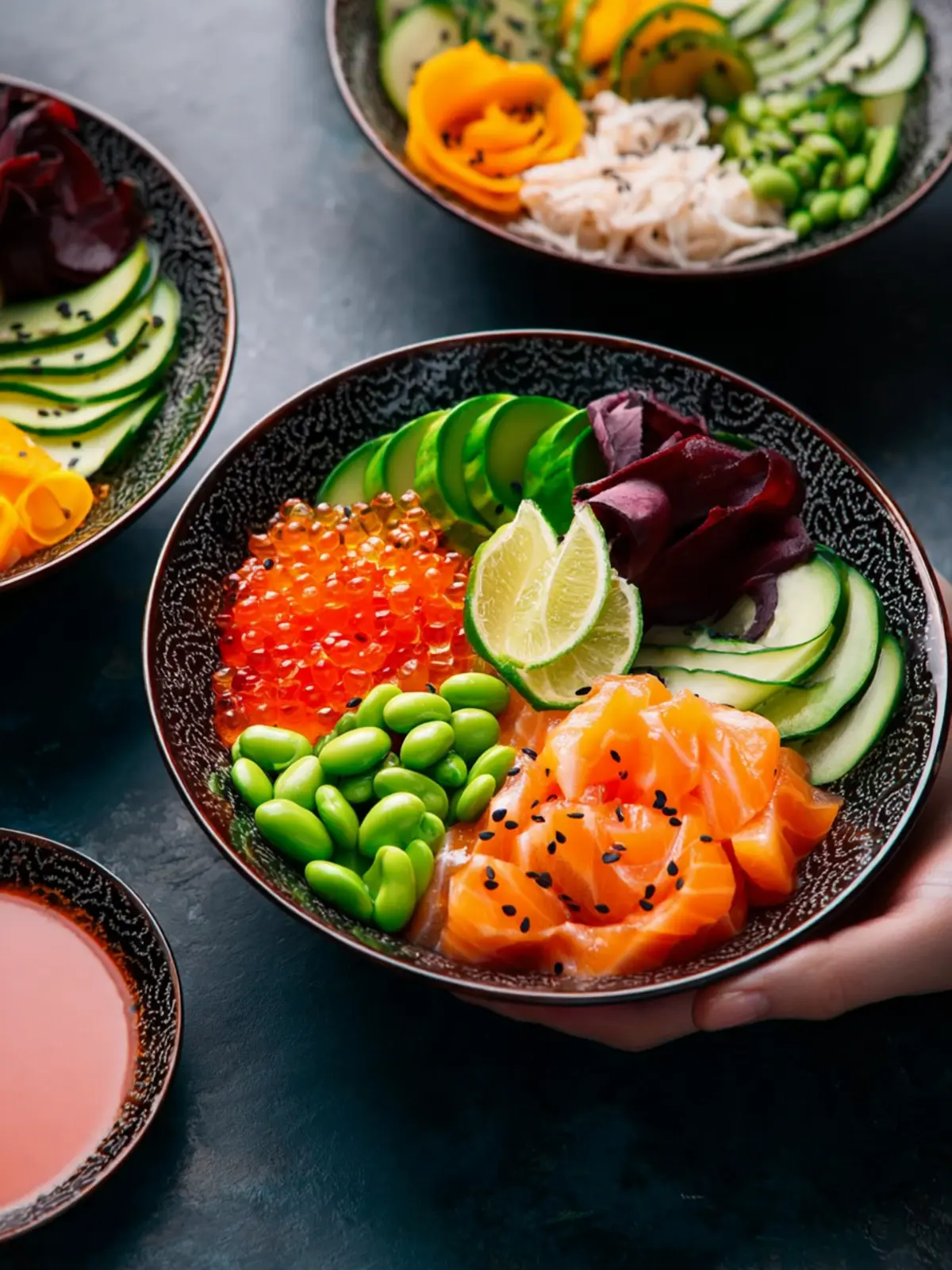
Vegetarian sushi bowls transform the experience of dining on classic sushi into a vibrant, deconstructed feast that’s accessible to everyone. Picture a colorful mix of fresh vegetables, creamy avocado, and savory rice, all topped with a flavorful sauce that brings each bite to life. These vegetarian sushi bowls are not just a meal; they offer a canvas for creativity and personal expression in your cooking.
In today’s fast-paced lifestyle, finding a healthy yet satisfying dish can feel daunting. However, vegetarian sushi bowls present the perfect solution by combining nutrition and flavor. You get to enjoy the health benefits of whole grains and fresh veggies while indulging in a sense of boldness and adventure with your choice of toppings and sauces. Additionally, these bowls can be made in under 30 minutes, making them ideal for busy professionals looking to whip up a meal without sacrificing quality or flavor.
What makes Vegetarian Sushi Bowls so special?
What truly sets vegetarian sushi bowls apart is their versatility. You can mix and match ingredients based on your preferences or seasonal availability. Whether you’re a fan of zesty mango, crunchy cucumber, or earthy mushrooms, the possibilities are endless. They’re also a fantastic opportunity to explore flavors from different cuisines—consider adding pickled ginger, sesame seeds, or even a drizzle of spicy mayo to elevate the dish.
Moreover, these bowls are visually stunning. Eating with your eyes is a real thing, and the vibrant colors of fresh ingredients stimulate your appetite before you even take the first bite. They can be shared at gatherings or enjoyed solo, offering everyone a delightful and nourishing experience.
Finally, it’s essential to mention the community aspect of these bowls. Making your own vegetarian sushi bowls can be a fun activity with friends or family, allowing everyone to create their ideal mix. You’ll discover new flavor pairings and maybe even a few cooking tricks along the way. So, why not dive into the colorful world of vegetarian sushi bowls? You just might find your new favorite dish!
Key Ingredients for Vegetarian Sushi Bowls
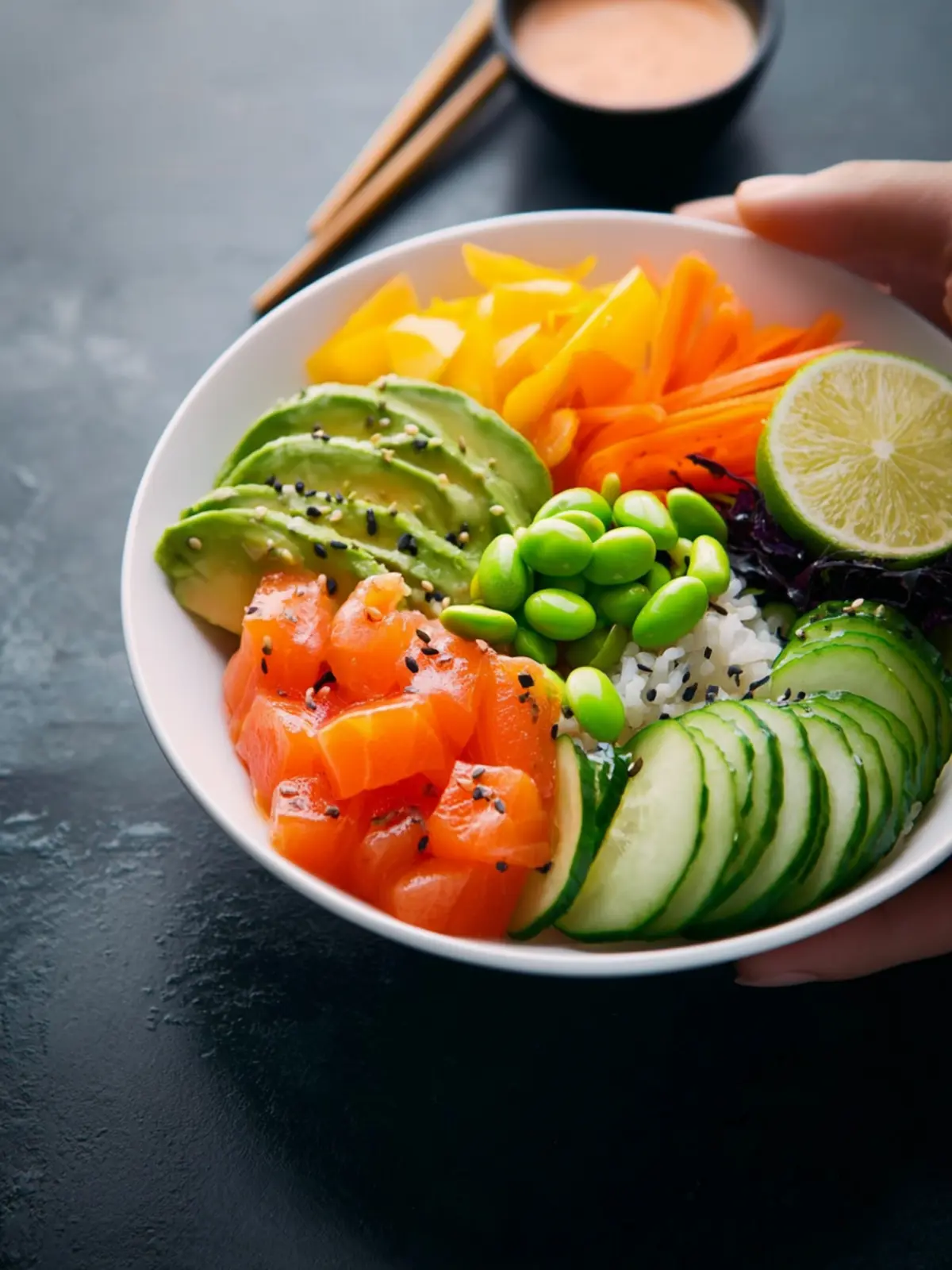
Creating vegetarian sushi bowls is a delightful way to explore vibrant flavors and textures, all while keeping your meals wholesome and nutritious. From colorful vegetables to rich umami elements, every component plays a crucial role in crafting the perfect bite. Let’s dive into these key ingredients that make vegetarian sushi bowls irresistible.
Sushi Rice
The foundation of your vegetarian sushi bowl is the sushi rice, which becomes wonderfully sticky once cooked. Make sure to use short-grain Japanese rice for the best texture. A gentle rinse before cooking removes excess starch and ensures your rice is fluffy.
Fresh Vegetables
Bring life to your bowls with an array of fresh vegetables! Think crisp cucumbers, creamy avocado, and vibrant bell peppers. Not only do they add essential vitamins, but their crunch also creates a satisfying contrast to the softness of the rice.
Nori Sheets
Nori brings a seaweed flair to your bowls, enhancing the flavor profile with a hint of umami. Cutting them into strips provides a handy tool for scooping up the rice and veggies, making each bite exciting.
Tofu
For a protein-packed addition, consider marinated tofu. Its silky texture pairs beautifully with the veggies, and when grilled or pan-fried, it takes on a deliciously crispy exterior.
Soy Sauce or Tamari
Finally, don’t forget the umami kick from soy sauce or tamari for a gluten-free option. Just a drizzle over the finished dish will tie all the flavors together beautifully.
Embrace the creativity of vegetarian sushi bowls, and you’ll discover endless ways to enjoy vibrant, nutrient-rich ingredients!
Why You’ll Love This Recipe
Vegetarian sushi bowls offer a delightful blend of flavor, color, and nutrition that will surprise your taste buds and nourish your body. Picture a vibrant bowl filled with fresh ingredients—each bite transporting you to a sun-soaked beach in Japan. This meal is not just a feast for the senses but also a canvas for creativity. Want to customize it? You absolutely can!
An Explosion of Fresh Flavors
Imagine sinking your teeth into perfectly cooked sushi rice, its sticky yet tender texture forming the foundation of your bowl. Then, consider the rainbow of fresh veggies—crisp cucumber, ripe avocado, and vibrant carrots—that you can pile on top. The addition of seaweed and sesame adds an umami punch that makes each mouthful unforgettable.
Quick and Easy Preparation
Creating vegetarian sushi bowls is a simple process that fits seamlessly into your busy life. Within 30 minutes, you can whip up a satisfying meal that’s healthy and eye-catching. No complex techniques or tools are required—just a knife, a cutting board, and a bowl.
Leave the Takeout Behind
By crafting your own vegetarian sushi bowls, you’ll enjoy the satisfaction of cooking while avoiding the pitfalls of takeout heavy on sodium and additives. Plus, you can control the ingredients, ensuring it’s vegan, gluten-free, or whatever aligns best with your dietary needs.
This recipe is not just about food; it’s about embracing a lifestyle that celebrates good health, sustainability, and a touch of culinary adventure!
Variations on Vegetarian Sushi Bowls
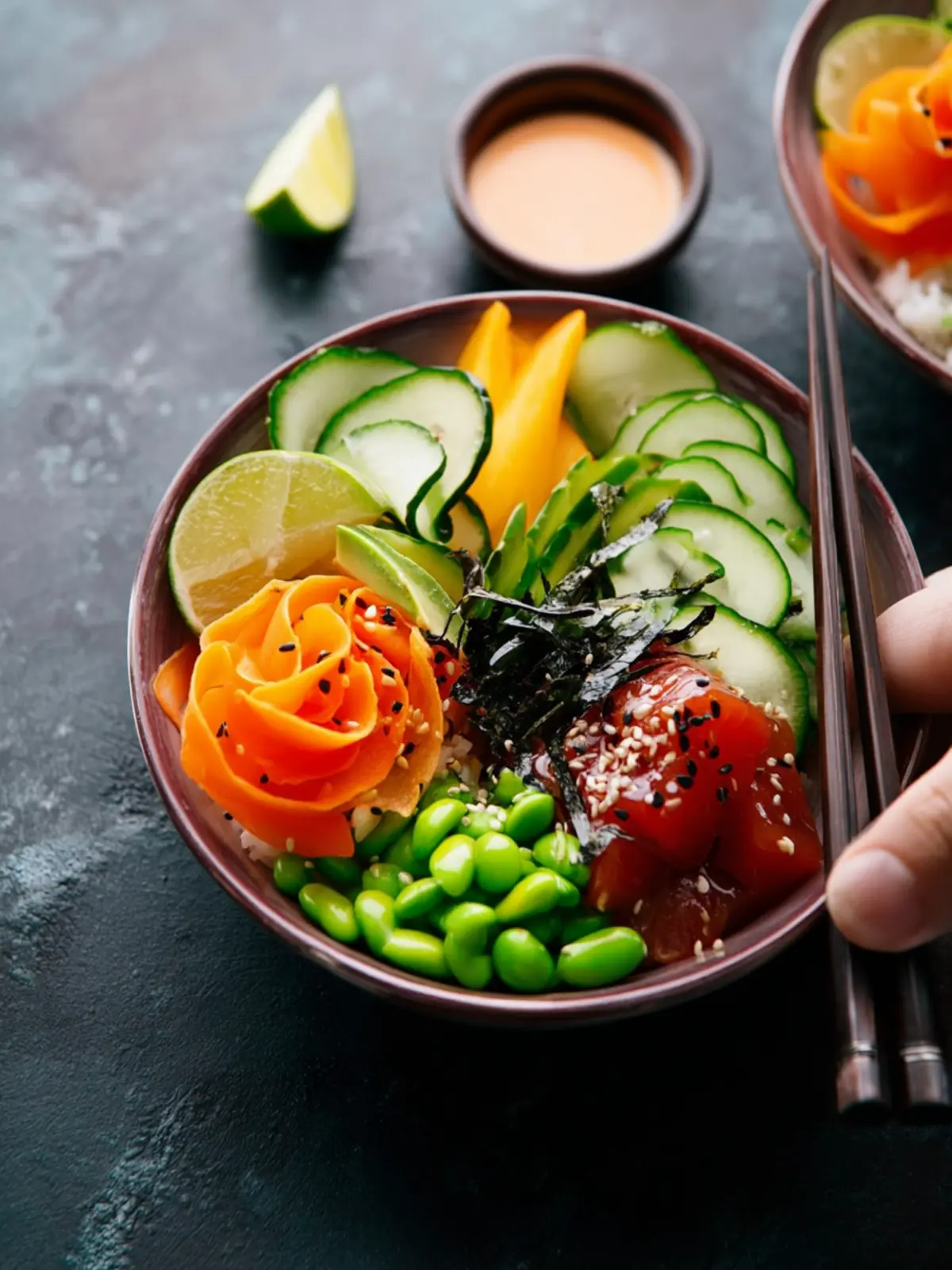
Creating vegetarian sushi bowls opens the door to endless creativity. These bowls are perfect for those who want to enjoy the delightful flavors of sushi without the fuss of rolling. Here’s how you can mix it up to suit your taste or utilize what’s in season!
Different grains to use
While sushi rice is traditional, don’t hesitate to explore other grains that can elevate your bowl. Quinoa is a protein-packed alternative, providing a nutty flavor that complements the other ingredients beautifully. Brown rice offers a more robust texture and a boost of fiber. For a lighter option, try cauliflower rice—just pulse cauliflower florets in a food processor until they resemble rice, then lightly sauté.
Seasonal vegetable swaps
The beauty of vegetarian sushi bowls lies in their adaptability to seasonal produce. In the spring, consider adding crisp asparagus or fresh peas, while summer brings the sweet crunch of cucumber and bell peppers. Autumn calls for roasted sweet potatoes and Brussels sprouts, and winter can be brightened with vibrant radishes or roasted carrots. Choose veggies that are at their peak to ensure maximum flavor and nutrition.
Protein additions
To amp up the protein content, think beyond traditional tofu—though it’s a great choice! Edamame is a fantastic addition, bringing a pop of color and a satisfying bite. Chickpeas add a hearty touch; simply roast them with your favorite spices for an extra crunch. For a unique twist, consider incorporating tempeh or marinated seitan for a filling that’s both delicious and nutritious.
With these variations, your vegetarian sushi bowls will never grow boring. Mix and match, and let your creativity shine!
Cooking Tips and Notes for Vegetarian Sushi Bowls
Creating vegetarian sushi bowls not only brings excitement to your kitchen but can also be a delightful experience for your taste buds. Here are some tips that will elevate your sushi bowl game!
Rinsing Rice Properly
Rinsing your rice might seem mundane, but it’s crucial for achieving that perfect sticky consistency. Start by placing your sushi rice in a fine-mesh strainer and rinse it under cold water. Swirl the rice gently until the water runs clear—this removes excess starch, which can make your rice gummy. Trust me, this little step can transform your vegetarian sushi bowls from mediocre to magnificent.
Cooking Tips for Perfect Vegetables
Fresh, vibrant vegetables are the stars of your bowl. To achieve maximum flavor and crunch, opt for a quick sauté or a flash steam method. For instance, lightly grilling bell peppers or caramelizing onions can enhance their natural sweetness. Also, consider marinating some of your vegetables in soy sauce or rice vinegar for a burst of flavor that will complement your rice beautifully.
Storing Leftovers
If you find yourself with leftover vegetarian sushi bowls, don’t fret! Store your components separately in airtight containers to keep everything fresh. The rice can be refrigerated for up to three days, while vegetables are best enjoyed within two days. Just before serving, you can reheat the rice slightly or serve it cold—both ways can be delicious!
Serving Suggestions for Vegetarian Sushi Bowls
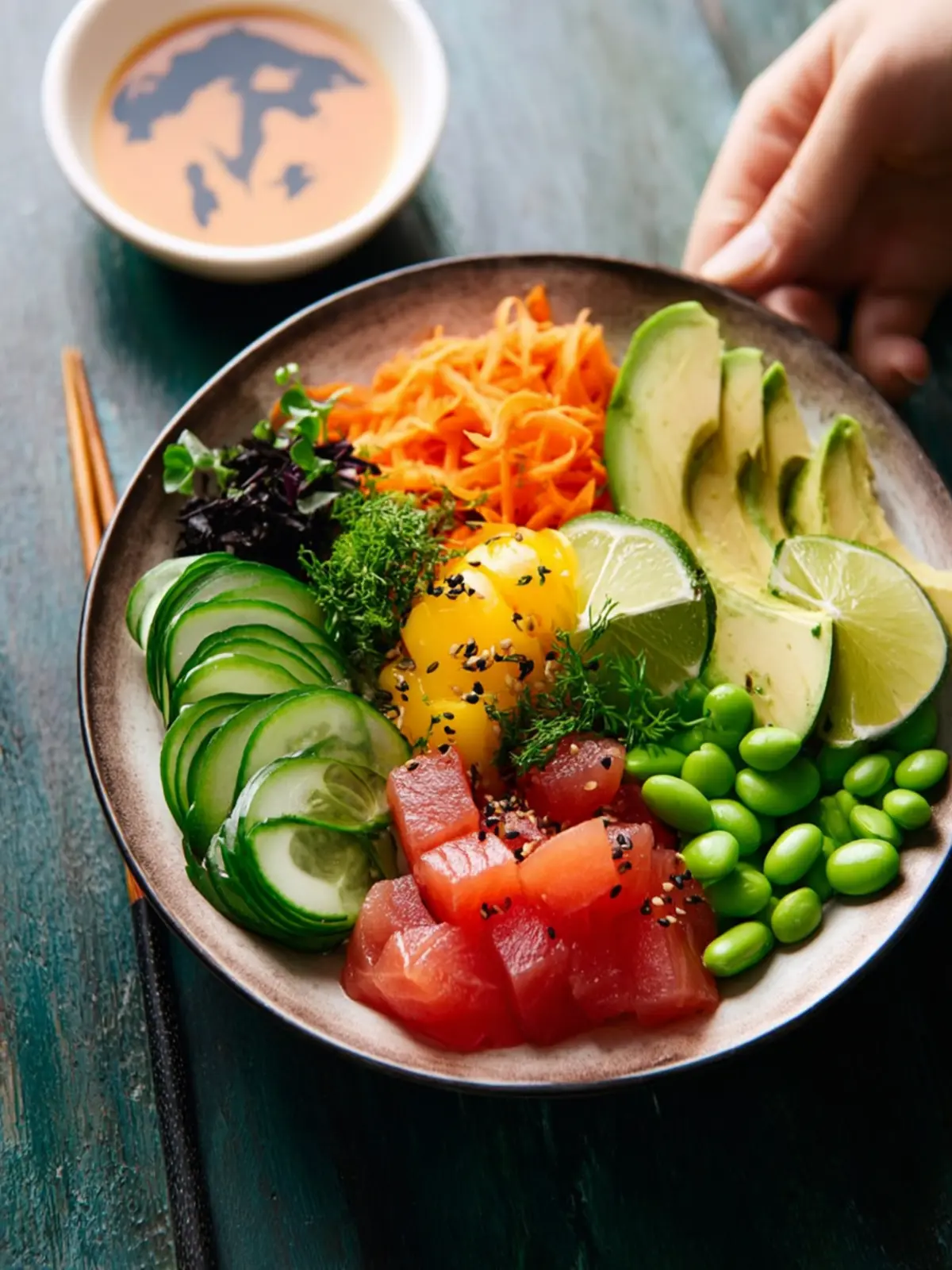
When you create vegetarian sushi bowls, you’re not just preparing a meal, but an experience. These colorful bowls are like a canvas, ready to be made even more delightful with the right pairings and garnishes. Here are some friendly tips to enhance your vegetarian sushi bowls.
Perfect Pairings: Wine or Sake
To complement the fresh flavors of your vegetarian sushi bowls, consider pairing them with a crisp white wine like Sauvignon Blanc or an elegant sake, which offers a mild sweetness. The acidity of these beverages balances the dish’s umami notes beautifully. If you prefer something non-alcoholic, try green tea or a refreshing cucumber-infused lemonade to cleanse your palate.
Flavorful Garnishes to Enhance the Dish
The right garnishes can elevate your vegetarian sushi bowls to the next level. Here are a few suggestions:
- Nori Strips: Add a crunchy texture by sprinkling sliced nori on top.
- Avocado: Creamy slices of avocado not only look beautiful but also provide richness.
- Pickled Ginger: This classic sushi garnish adds a zingy flavor that brightens each bite.
- Sesame Seeds: Toasted sesame seeds are great for an extra crunch and a nutty flavor.
Creative Serving Ideas
Serving your vegetarian sushi bowls can be just as fun as preparing them! Consider these ideas:
- Layered Presentation: Layer ingredients in small, clear bowls for a stunning visual display at a dinner party.
- DIY Sushi Bowl Bar: Set up a station where guests can customize their own bowls. Offer various toppings, sauces, and bases to keep everyone engaged.
- Bento Box Style: Pack your sushi bowl alongside complementary sides, like edamame or seaweed salad, in a bento box for a delightful lunch.
With these suggestions, you’ll turn your vegetarian sushi bowls into a feast that excites both the eyes and the palate!
Time Breakdown for Vegetarian Sushi Bowls
Crafting the perfect vegetarian sushi bowls is a delightful journey in the kitchen, and understanding the time it takes can help you plan your creation better.
Preparation time
Getting those ingredients prepped and ready takes about 20 minutes. Don’t rush—chopping veggies and organizing your bowls is half the fun!
Cooking time
Since we’re not dealing with intricate cooking methods, the actual cooking time is just around 10 minutes. This gives you just enough time to whip up any grains or cook your tofu to perfection.
Total time
In total, you’re looking at approximately 30 minutes from start to finish. With such a short timeframe, it’s easy to whip these up for a weeknight dinner or a quick lunch!
Nutritional Facts for Vegetarian Sushi Bowls
Vegetarian sushi bowls present a colorful fusion of flavors and textures, making them not just delicious but also nutritious. Understanding the nutritional profile of these vegetarian sushi bowls can help you appreciate the wholesome ingredients.
Calories
One serving of these vibrant bowls typically contains around 400-500 calories, depending on the ingredients used. This makes them a satisfying meal option without being overly heavy.
Protein
Packed with plant-based protein, vegetarian sushi bowls provide about 12-15 grams per serving. Ingredients like tofu and edamame contribute significantly to this protein punch, making them great for vegetarians looking to meet their daily intake.
Fiber
You’ll find around 8-10 grams of fiber in each bowl. The combination of fresh vegetables, whole grains like brown rice, and avocado ensures you’re getting the fiber necessary for digestive health and satiety.
With these nutritional facts in mind, you can enjoy your vegetarian sushi bowls, knowing they nourish your body while delighting your taste buds!
FAQs about Vegetarian Sushi Bowls
Embracing the vibrant and fresh components of vegetarian sushi bowls can transform your meal into a delightful culinary experience. Whether you’re a dedicated veggie lover or simply looking to incorporate more plant-based meals into your week, you might have a few questions about making the perfect sushi bowl. Let’s dive into some common queries!
Can I make sushi rice in advance?
Absolutely! One of the perks of preparing vegetarian sushi bowls is the flexibility in your schedule. You can make sushi rice up to a day in advance. Simply cook it, let it cool, and store it in an airtight container in the refrigerator. When you’re ready to assemble your bowls, just reheat the rice gently in the microwave or on the stove. This helps maintain the texture and flavor, keeping your bowl as delightful as if it was just made.
What if I can’t find honey mangoes?
No worries if honey mangoes are elusive in your area! You can substitute them with any other sweet mango variety, such as Ataulfo or Haden mangoes. If fresh mangoes aren’t available, try canned mango (packed in juice, not syrup) or even diced peaches as an alternative. Each of these options will lend a lovely sweetness to your vegetarian sushi bowls.
How can I make a gluten-free version?
Creating a gluten-free vegetarian sushi bowl is simple! Opt for gluten-free tamari instead of soy sauce, and ensure your rice vinegar is gluten-free as well. Most vegetables and toppings used in the recipe are naturally gluten-free, so you’re mostly just swapping out the sauces. Be sure to check ingredients to maintain a totally gluten-free experience.
These tips should help you enjoy your vegetarian sushi bowls to the fullest! Happy cooking!
Conclusion on Vegetarian Sushi Bowls
Creating vibrant and delicious vegetarian sushi bowls can be a delightful culinary adventure. Not only do they provide a burst of flavors and colors, but they also allow for endless customization based on your preferences. Imagine layering fresh vegetables, grains, and protein, all beautifully arranged in a bowl. This dish is perfect for meal prep or a quick weeknight dinner. The balance of ingredients means you can easily meet your nutritional needs while enjoying a satisfying meal. As you explore different combinations, you’ll find that each bowl tells its own unique story—one delicious bite at a time.
Print
Sushi Rice Salad
- Total Time: 50 minutes
- Yield: 4 servings 1x
- Diet: Vegetarian
Description
A delightful sushi rice salad packed with fresh ingredients and a spicy mayo dressing.
Ingredients
Scale
- 2 cups sushi rice (or short-grain rice)
- 2–1/4 cups water
- 3 tablespoons rice vinegar
- 2 tablespoons granulated sugar
- Salt
- 1/4 teaspoon sesame oil
- 1/4 cup mayo (I love Hellman’s/Best Foods)
- 1 tablespoon Sriracha (scale up or down to personal heat tolerance)
- 1 tablespoon lime juice
- 2 to 3 honey mangoes (also called yellow or Ataulfo)
- 1 (12-ounce) bag frozen shelled edamame
- 1 large avocado
- 2 to 3 Persian cucumbers
- 4 large carrots
- 1/4 cup reduced-sodium soy sauce (optionally plus extra)
- 1 tablespoon rice vinegar
- Seaweed sea salt snack (optional)
Instructions
- Place rice in a fine-mesh strainer and rinse under cold water until water runs clear. Tap out excess water to thoroughly drain, then transfer rice to a medium pot. Add in the 2-1/4 cup water. Bring to a full boil, cover, reduce heat to low, and simmer 15 minutes, then keep the lid on but remove from heat and let stand 15 minutes.
- In a small bowl, combine rice vinegar, sugar, and 1 teaspoon salt. Microwave for 15–20 seconds to warm the mixture, then stir until sugar is fully dissolved. Once rice is finished cooking and standing, pour about 1/3 of this mixture into the rice. Gently fold into the rice to combine. Repeat until all the vinegar seasoning has been incorporated into the rice. Set aside.
- Meanwhile, bring a pot of 6 cups water to boil, then add in 1 tablespoon salt and the bag of frozen and shelled edamame. Cook 2–3 minutes or until edamame is tender. Drain thoroughly and toss with salt to taste.
- In a small bowl, whisk together sesame oil, mayo, sriracha sauce (add slowly to taste preference), and lime juice. Whisk and taste, adding more sriracha for a spicier sauce.
- Slice cucumbers in half lengthwise, then cut into thin half moons, about 1/4-inch thick. To make carrot ribbons, lay a large carrot flat on a cutting board. Using a vegetable peeler, peel along the length of the carrot to create a ribbon. Repeat, rotating the carrot as necessary, until carrot is too thin to peel. Repeat with remaining carrots. Remove peel and pit of avocado and thinly slice or chop. Peel mango with a vegetable peeler and cut the two halves off the large center pit. Dice halves into bite-sized pieces.
- In a small bowl, mix together soy sauce and 1 tablespoon rice vinegar. Stir.
- Divide rice evenly among four bowls. Top with edamame, carrots, avocado, and cucumber. Drizzle everything evenly with soy sauce and rice vinegar mixture. Top with sriracha mayo, along with seaweed snack sheets.
Notes
- For best results, use short-grain rice for the perfect texture.
- Adjust the amount of Sriracha according to your heat preference.
- Honey mangoes add a sweet touch that complements the savory elements of this dish.
- Prep Time: 20 minutes
- Cook Time: 30 minutes
- Category: Salad
- Method: Boiling, Mixing
- Cuisine: Japanese
Nutrition
- Serving Size: 1 bowl
- Calories: 300
- Sugar: 6g
- Sodium: 600mg
- Fat: 12g
- Saturated Fat: 2g
- Unsaturated Fat: 8g
- Trans Fat: 0g
- Carbohydrates: 42g
- Fiber: 5g
- Protein: 7g
- Cholesterol: 10mg